


PH19 | The Evolution and Allure of Role-Playing Games
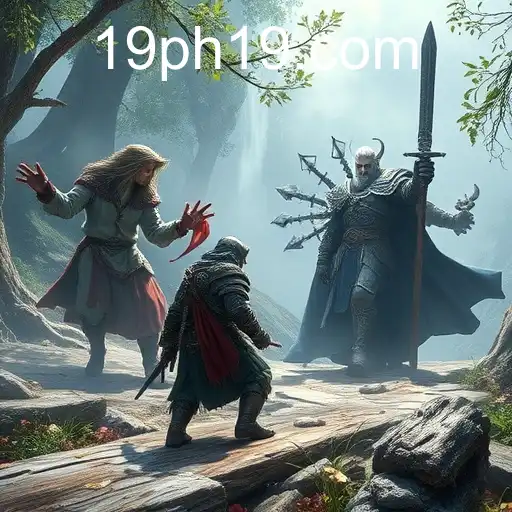
Role-Playing Games, often abbreviated as RPGs, have long held a significant place in the gaming community due to their immersive experiences and rich storytelling. From their tabletop origins to the digital realms of today's gaming platforms, RPGs have evolved extensively, illustrating the dynamic nature of the gaming industry.
At their core, RPGs allow players to assume the roles of characters in either a pre-defined or fictional setting, navigating through intricate narratives and engaging with meticulously crafted worlds. This genre provides a unique blend of strategic gameplay and character development, offering players the ability to influence the game's direction through their choices and actions.
The history of RPGs dates back to the 1970s, with the advent of games like Dungeons & Dragons, which became a cultural phenomenon. As technology advanced, these games transitioned from pen-and-paper settings to computers and consoles, leveraging the capabilities of digital platforms to enhance their complexity and appeal.
Today's RPGs showcase a seamless blend of storytelling, graphical fidelity, and innovative game mechanics. Titles like 'The Witcher 3', 'Final Fantasy XV', and 'Mass Effect' exemplify how far the genre has come, presenting players with vast open worlds to explore, multi-layered characters to encounter, and narratives that often reflect complex moral and ethical dilemmas.
The lure of RPGs lies in their ability to provide a personalized gaming experience. Unlike more linear game formats, RPGs offer players substantial freedom in determining their journey, with outcomes often influenced by decisions made along the way. This aspect of choice creates a connection between player and character that is rare in other gaming genres.
Moreover, the community surrounding RPGs is robust and passionate. Forums, fan sites, and community events like conventions serve as meeting places for enthusiasts to exchange strategies, discuss storylines, and share their gaming experiences. This sense of community enriches the RPG experience, fostering a shared culture among players worldwide.
In the digital age, RPGs have also embraced multiplayer formats, with games like 'World of Warcraft' and 'Elder Scrolls Online' creating virtual spaces where players across the globe can collaborate or compete in ever-expanding worlds.
In conclusion, the Role-Playing Game genre remains at the forefront of the gaming industry, continually innovating and expanding its horizons. As technology progresses, RPGs are likely to become even more immersive, blurring the lines between reality and game worlds. With each new title, RPGs continue to captivate players, offering both escapism and a platform for storytelling that is unmatched in its depth and engagement.
